Iron Deficiency Anaemia (IDA) remains one of the most widespread yet preventable health problems affecting women and adolescent girls in India. In West Bengal, anaemia continues to be a major public health concern, contributing to poor health, reduced productivity, complications during pregnancy, and impaired physical and cognitive development. National health surveys indicate that a significant proportion of adolescent girls and pregnant women are anaemic, largely due to poor nutrition, repeated infections, limited health awareness, and inadequate access to preventive healthcare.
Through its work in eight urban slums in Kolkata and four rural communities in West Bengal, Cathedral Relief Service (CRS) has observed that many women and adolescent girls regularly experience weakness, dizziness, fatigue, and poor concentration. Community assessments and haemoglobin records have shown that many have Hb levels between 8–10 g/dL, well below the healthy level of 12 g/dL. Discussions with participants have also revealed limited understanding of anaemia, its long-term effects, and the importance of early diagnosis and treatment.
To address this challenge, CRS has developed a community-based Iron Deficiency Anaemia Programme that combines prevention, early detection, treatment, and follow-up care. The programme targets adolescent girls and women of reproductive age through a comprehensive package of services designed to improve their health and well-being.
The programme includes:
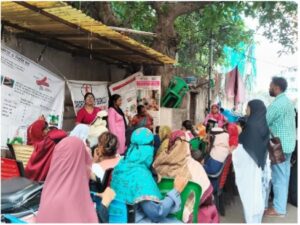
- Health awareness sessions on iron deficiency anaemia, nutrition, personal health, and the importance of an iron-rich diet.
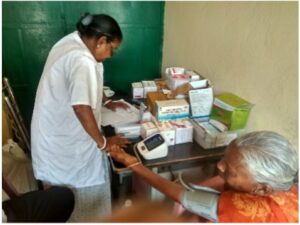
- Haemoglobin (Hb) testing to identify women and girls who are anaemic and require treatment.
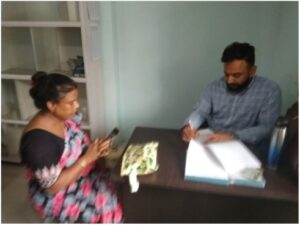
- Medical consultations with qualified doctors to assess each participant and provide appropriate advice and treatment.
- Free iron and folic acid medication for those diagnosed with anaemia, together with nutritional counselling and regular follow-up to monitor recovery and encourage adherence to treatment.
Community health workers play a vital role by encouraging women and girls to participate, monitoring their progress, reinforcing healthy dietary practices, and supporting beneficiaries throughout their treatment and recovery. This close community engagement helps ensure that participants complete their treatment and adopt healthier lifestyles.
By improving awareness, increasing access to diagnosis and treatment, and supporting recovery, the programme seeks to reduce the prevalence of anaemia, improve women’s health, prepare adolescent girls for healthy motherhood, and strengthen the overall well-being of families and communities. Healthy women and girls are better able to care for their children, participate in education and livelihoods, and contribute actively to community development. In this way, the programme represents a vital investment in long-term health, social well-being, and economic empowerment.